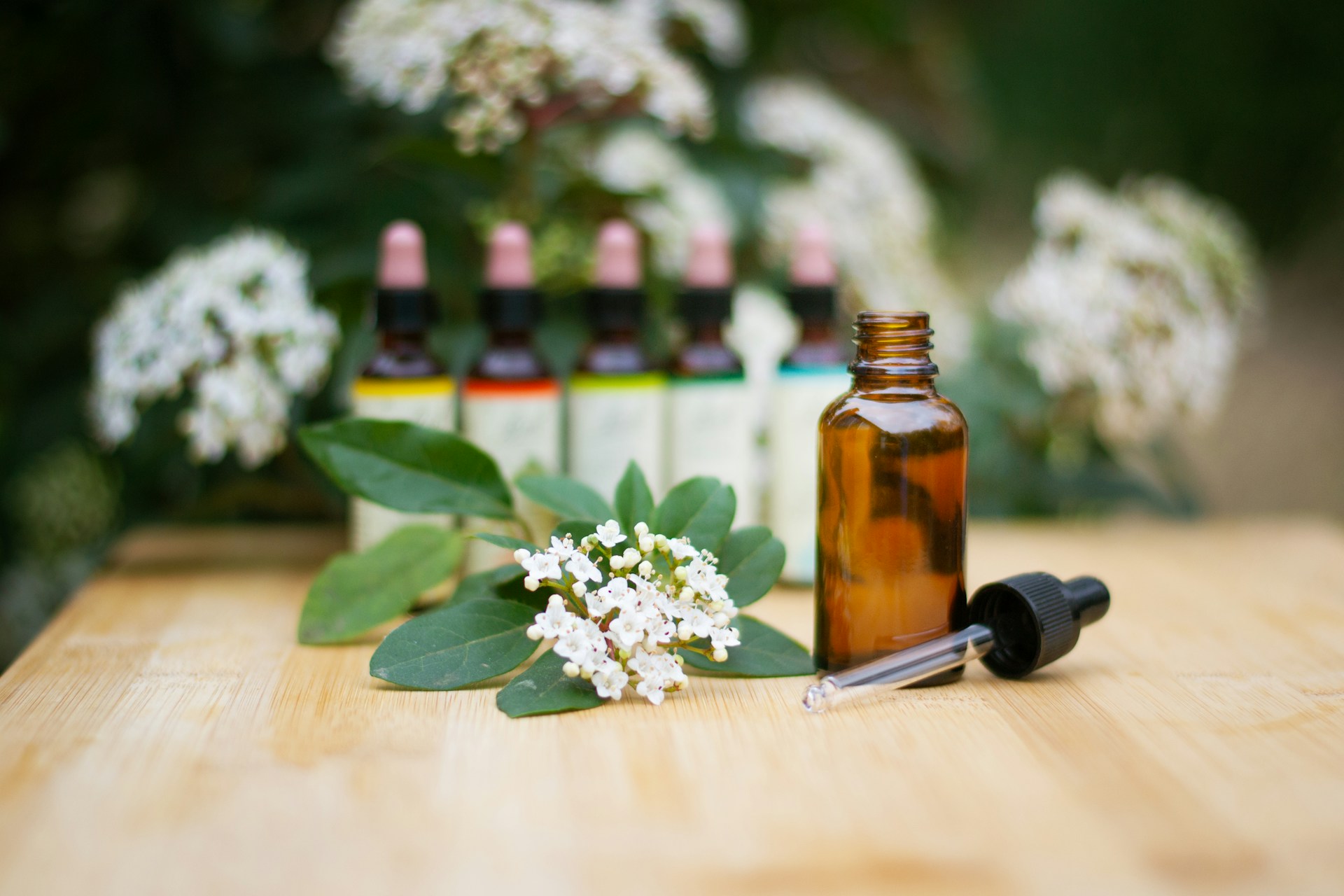
Essential oils are like these tiny bottles of plant magic. They’re natural extracts derived from various parts of plants, like roots, leaves, and flowers. When you open up one of these bottles, what you’re essentially getting are volatile aromatic compounds that capture the plant’s unique fragrance and benefits. Think of it as bottling the essence of nature itself.
People have been using essential oils for thousands of years. Ancient Egyptians, Greeks, and Romans all used them for everything from ceremonies to early healing balms. In ancient times, oils such as black seed oil, frankincense, cedarwood, myrrh and many more were used quite regularly. Fast forward to today, and they’re still going strong in aromatherapy, holistic medicine, natural soaps for hair and body, and even in home cleaning and laundry products.
Unfortunately, not all oils are created equal. There’s a big difference between natural essential oils and synthetic ones. Natural oils come from actual plant material, so they’re loaded with all those beneficial compounds. Synthetic oils, on the other hand, might smell similar, but they’re made in labs and don’t pack the same punch in terms of benefits. So it’s crucial to know what you’re looking at when you’re shopping for oils.
How Essential Oils Are Made: From Plant to Bottle
Getting from the green leaves and petals to that aromatic bottle of essential oil isn’t just magic; it’s science mixed with a bit of art. At the heart of it all is the distillation process. Steam distillation is the most common method, where steam passes through plant material, lifting those precious oils away with it. Later, everything cools down, separating the oil from water.
Another cool method is cold pressing, especially for oils from fruit peels like orange or lemon. Here, mechanical pressure extracts the oil without all that heat, keeping things as natural as possible.
Where these plants grow matters a lot too. You want them sourced sustainably and from regions where they naturally thrive. Weather, soil conditions, and the exact time of harvesting all play a role in how potent and pure the final product will be.
Now, let’s talk quality control. Once the oil is extracted, maintaining high standards is vital. It involves rigorous testing to ensure that not only you’re getting pure essential oils but also that these oils are honestly what they claim to be. High-quality oils might come from small batches where experts oversee every step of the process, a real testament to the science and dedication behind each bottle.
Understanding Essential Oil Purity and Quality
Grabbing any oil from the shelf might seem easy, but it’s the purity and quality of essential oils that truly make the difference. When hunting for authentic oils, there are some solid tips to keep in mind to ensure you’re getting the real deal.
First off, always look for oils labeled with their exact botanical name. If a label just says “lavender oil” without any specifics, you might want to think twice. The devil’s in these details, truth be told.
Purity is very important in the benefits you’ll see from an essential oil. Undiluted, pure essential oils should be free from additives and synthetic fillers. There are a few quick and easy ways to see if you’re getting what you’re paying for at home.
3 Ways to Check Your Essential Oil Purity at Home
- Blot Test – One quick home test is the blot test: put a drop on a piece of paper and it should evaporate without leaving an oily ring if it’s pure. However, this all depends on the type of oil as some oils are naturally heavier or greasier such as sandalwood.
- Freeze Test- Put a small amount of the essential oil in question in the freezer for 24 hours. If it does NOT freeze, it’s a pure oil.
- Water Test – Place a drop of the oil in a small cup of water. Pure oil should float on top and not mix into the water.
Look for certifications from respected third-party organizations as well. Companies that invest in these tests showcase transparency and commitment to quality. As a savvy shopper, being informed about these certifications helps you make better choices.
Adulteration is a sneaky tactic where cheap, synthetic substances get mixed with real oils to cut costs. This not only lessens the effectiveness but might also cause side effects. Smell, color, and consistency differ slightly among authentic oils, and learning to recognize these variations gives you an edge in spotting fakes.
In a world where everyone seems to be jumping on the essential oil bandwagon, sticking to quality isn’t just smart—it’s essential for safety and effectiveness.
Popular Essential Oils and Their Common Uses
Navigating the world of essential oils can be both exciting and a bit overwhelming thanks to the sheer number of options. Some classics, like lavender, are hard to beat. With its calming aroma, lavender oil is often used in aromatherapy to reduce stress and help with sleep issues.
Tea tree oil is another powerhouse with its antibacterial properties, perfect for skin issues. It’s often a go-to for anyone dealing with acne or minor cuts. Unlike other oils, people tend to use it directly on the skin, though a patch test is always a good call.
Then there’s eucalyptus oil, the clear-headed star of the show. It’s an old favorite for anyone fighting stuffy noses or needing a breath of fresh air—literally. Just a few drops in a steaming bowl of water can work wonders for opening up airways.
And even though they don’t steal the spotlight as much, lesser-known oils like frankincense or bergamot bring unique benefits to the table. Frankincense is fantastic for meditation and grounding practices due to its deep, calming effects, while bergamot bridges the gap between citrusy freshness and relaxation.
Whether you’re a newbie or a seasoned user, experimenting with different oils can be a fun way to find your favorites. Their varied properties mean you can mix and match to tailor them to your needs, helping you face life’s challenges with just the right blend of oils.
A couple of my favorites I’ve found are peppermint and lavender which work great together for headaches and sore muscles. Those are just a couple that I always keep on hand for when they’re needed. But, more on that later…
Safety Tips for Essential Oil Use
Dabbling with essential oils can be enjoyable, but safety’s key to a positive experience. First things first, dilution is crucial when applying oils to your skin. Most essential oils are super concentrated, so mixing them with a carrier oil like coconut or jojoba can prevent irritations.
For example, do not put peppermint oil directly on your skin without mixing it with a carrier oil first. Don’t do what I did many years ago. I learned the hard way, lol. It’ll get very uncomfortable after awhile as it will feel like your skin is freezing. And, once it’s on your skin…well, it wasn’t going away for awhile even after washing it off with soap and water.
I’d also suggest patch testing a small area first. Before using any oil extensively, apply a small diluted amount to an inconspicuous area of your skin. Wait a day to check for any adverse reactions. It’s a simple step that can save a lot of trouble in the long run.
Sensitivity and allergies vary, and what’s fine for one person could be bothersome to another. If you have known allergies, research which oils might be potential triggers. Citrus oils, for instance, can cause photosensitivity – that’s sunburn in disguise. So, using them and then heading out in the sunshine might not be the best idea.
Children and pets have different sensitivities, and their systems can’t handle certain oils like adults can. Always keep oils out of children’s reach and consult a vet before using them around animals. Some oils can be downright harmful if ingested or used improperly.
With a bit of caution and knowledge, essential oils can become a safe addition to daily life, offering benefits without the hassle of unwanted side effects. So, go on and explore, but with safety on your side!
Integrating Essential Oils into Your Daily Routine
Essential oils can seamlessly blend into your day-to-day life, adding a refreshing boost to both your home and personal care routines. For a start, consider them in your morning rituals. A drop of peppermint oil in your shower can be invigorating, helping wake up those sleepy senses.
When it comes to personal care, they’re a natural fit. Just a couple drops of your favorite essential oil into a plain, unscented lotion can create a personalized fragrance. Not to mention, oils such as tea tree or lavender are great for tackling skin blemishes – a spot treatment that’s straight from nature!
Oils can also play a big role in natural cleaning solutions. Lemon oil mixed with vinegar and water makes for a fantastic homemade cleaner that leaves a fresh scent while taking on tough grime. It’s an eco-friendly cleaner that’s as tough as it is gentle.
And how about making your home a fragrant haven? Diffusing oils like eucalyptus or lemon not only freshens the air but can also boost moods and create a calming atmosphere. Think of it as nature’s way of aromatically resetting the vibe.
Whether it’s enhancing personal care, cleaning naturally, or simply creating a welcoming home environment, integrating essential oils brings a touch of nature’s best into every corner of your life.
The Science Behind Essential Oils’ Effects
Understanding how essential oils work involves diving into both chemistry and biology. These oils contain compounds that interact with the human body in intriguing ways. Terpenes, like linalool found in lavender, can interact with the brain to produce calming effects, making oils useful in stress relief and relaxation strategies.
Research has shown some oils have antimicrobial properties, making them helpful in fighting bacteria and fungi. Tea tree oil, for instance, is often discussed in scientific circles for its ability to combat certain pathogens. While not a replacement for conventional medicine, such properties suggest a complementary role to more traditional treatments.
However, the science isn’t all black and white. While essential oils have been used for centuries, ongoing scientific study continues to unravel their benefits and limits. For instance, the placebo effect is something to consider. Many of the reported benefits might be enhanced by a user’s belief in their effectiveness.
There’s also the ongoing debate about their systemic absorption and how compounds reach target areas in the body. Studies into transdermal absorption (aka how well your skin can take in these oils) are helping clarify exactly what happens after application.
Although sometimes romanticized in popular media, viewing essential oils through an uncolored scientific lens is key in appreciating their use and effectiveness. This way, you can make informed decisions based on both available evidence and personal experience.
The Growing Market: Trends and Innovations in Essential Oils
Essential oils aren’t just a wellness craze; they’re fast becoming a staple in various industries. With more focus than ever on natural and sustainable products, essential oils are turning heads with fresh innovations.
The move towards organic and eco-friendly options has gained momentum. Most people, including myself, are more conscious of what they’re buying, justifying why brands now emphasize sourcing ethically and crafting with minimal environmental impact. I’d say it’s a win-win if it’s not only healthier for us, but also better for the planet we live on.
Another trend? Essential oil-infused products are everywhere! From cosmetics to household cleaners, their versatility is being spotlighted in new product lines. This interest is driven by consumer demand for multi-functional products that not only serve one purpose but also contribute to an overall healthier lifestyle.
Emerging applications see essential oils pushing into areas like sleep aids and even snacks. Companies are experimenting with incorporating natural aromas into items that enhance relaxation or promote wellness through daily interactions, like a calming aroma-infused candle or a refreshing, healthy beverage with natural flavors.
In keeping with these trends, many companies are opting to develop specialized blends aiming to address specific consumer concerns, like stress relief or focus enhancement. With such innovations, essential oils continue to evolve, ensuring they remain relevant in an ever-changing market.
Conclusion: Discovering the Benefits of Essential Oils Responsibly
Getting the most out of essential oils starts with understanding their origins, uses, and the science behind them. From enhancing your environment with delightful aromas to supporting your wellness journey, essential oils offer a range of applications that can fit beautifully into everyday life.
Choosing quality oils is fundamental. By sticking with known, high-standard brands, you ensure not only efficacy but also safety. Certification and purity tests shouldn’t just be seen as optional, but essential steps in selecting any oil.
Exploration is part of the fun, but it’s vital to remain cautious—keep safety tips in mind and always consider individual sensitivities, especially if there are kids or pets around.
By staying informed and curious, essential oils can enhance your life in bountiful ways. They offer us not just convenience but also a touch of nature’s brilliance, distilled and ready to enrich our lives with each and every drop.
Do you have a favorite essential oil? Or, would you like to know more about a certain essential oil? Please let me know in the comments below. I’d be happy to hear from you.
Thanks for reading! If you found this helpful, please feel free to share it.